
“If you don’t find a way to make money while you sleep — you will work until you die.” If you need money in the near term (or the thought of seeing your account balance drop 20% makes you sick to your stomach), don’t invest those funds. Follow these seven golden rules and you’ll be on the path to success. If you haven’t done those things yet, get them squared away before you start investing.
The path to building real wealth is littered with common pitfalls that can easily trip up even the most careful beginners. For those who find managing these adjustments complex — our guide on investing with a financial advisor explains how professional guidance can streamline this process. After a year, strong performance in the U.S. market might shift your actual holdings to an 80/20 split. The market’s daily swings are often random and driven by emotions, not the fundamental performance of the businesses you own. One of the biggest mistakes beginners make is checking their portfolio every day. You can often buy a share of an S&P 500 ETF for a couple hundred dollars, giving you the same level of diversification as someone investing millions.
Index investing is a popular, passive strategy for beginners and experienced investors alike. For instance (an S&P 500 index fund will hold the stocks of the S&P 500 in the same proportions), aiming to match its performance. You can’t invest directly in an index, but you can buy an index fund that replicates its holdings. In plain terms, “don’t put all your eggs in one basket.” Diversification ensures that if one investment performs poorly, it won’t sink your entire portfolio. It’s a time of investor optimism and easy gains – the “bull” is charging ahead.
By purchasing a share in a company, you gain partial ownership of that business. Your contribution enables us to offer unbiased and accessible investment education to a new generation of investors—individuals who urgently require these skills in an increasingly complicated financial landscape. Engage with local investment clubs and chapters to collaboratively learn, grow, and invest more wisely. Our tools assist you in identifying quality stocks that align with your long-term financial objectives. Access to our stock ideas, lists, screens, and reports featuring growth and dividend stocks is one of the numerous advantages of membership. We offer resources and support for initiating a stock investment club, including guidance on visiting an existing one.

These allow investors to buy a portion of a stock even if they don’t have enough money to purchase a full share. Stock market investing carries various risks including the demo option trading potential for capital loss (market volatility), and company-specific risks. Stock selection involves analysing companies based on financial performance — business model,growth prospects, and valuation relative to peers. Investors select stocks with the intention of holding them for an extended period, for years or even decades.
Learn By Doing
However — you’ll need to pay taxes on any profits for stocks sold or earned dividends for that tax year. You can mix and match these investment products to balance diversification (which spreads risk) while purchasing shares in specific companies you think hold promise in the future. Before jumping into the market, a smart step is setting financial goals and spending priorities. Our in-house research team and on-site financial experts work together to create content that’s accurate (impartial), and up to date. For most beginners, mutual funds and ETFs are the better starting point.
While traditional avenues like fixed deposits — PPF, and real estate have their merits, the equity market, where you invest in stocks, offers unparalleled potential for wealth creation. The person you’ll be in 20 years will thank you for starting when you did—even if that moment is right now. The people who become wealthy are the ones who don’t. And every generation that starts anyway—and holds—builds wealth.
Once you have an investment account (you’ll be able to invest in a variety of investment vehicles), including different stock types. As beginners embark on their journey into stock market investing, they often have several questions about the process. Research key stock market concepts such as market capitalization, price-to-earnings ratio (P/E ratio), dividend yield and earnings per share (EPS). Understand the markets and learn about the New York Stock Exchange (NYSE), the NASDAQ, and other markets. Opening an online brokerage account offers several advantages (including ease of use), access to a wide range of investment options and real-time portfolio monitoring.
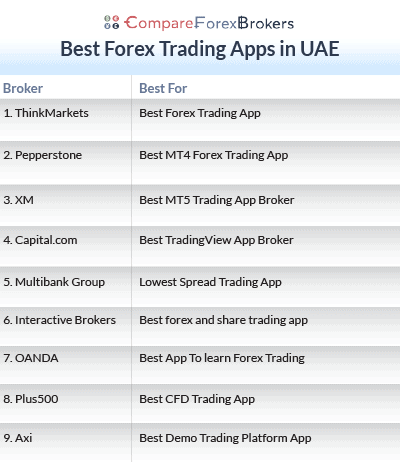
Nevertheless, downtrends exhibit declining data points, characterized by lower swing lows and minimal retracement levels at both the start and end of the trend. This method not only streamlines the trading process for newcomers but also fosters a sense of community involvement that is uncommon in the financial trading sector. Below — you will discover our selection of the best commission-free brokers, all highly reputable and suitable for beginners. To begin investing in stocks (mutual funds), and various other assets, an online brokerage account is all you need. For novices, applications that provide managed portfolios, low or no minimum balances, and automation features can simplify the investment process.
- A market order is executed instantly at the prevailing price, making it quick, straightforward, and ideal for most beginners.
- Many platforms have low minimums, and simple setup processes so you can establish recurring investments into various assets, including ETFs, and you can start with as little as $1 when you buy fractional shares.
- Before jumping into the market, a smart step is setting financial goals and spending priorities.
- This approach (often called dollar-cost averaging), smooths out your purchase price over time and takes all the emotional guesswork out of the equation.
The tax advantages offered by these accounts help you retain money that you would rather not hand over to Uncle Sam unnecessarily. FDIC insurance ensures the return of your funds, even in the event that the bank holding your account becomes insolvent. While they offer higher interest rates than traditional savings accounts, they still permit a limited number of transactions each month, allowing you access to your cash when needed. A Certificate of Deposit (CD) is a type of savings account that limits access to your funds for a designated period, such as 6, 12, or 24 months.
Although the initial discussions about markets and companies may seem overwhelming, it is actually more approachable than you might expect. Dollar Cost Averaging does not guarantee profits and offers no protection against losses in declining markets. Generally, investments in fixed income securities tend to lose value when interest rates increase.
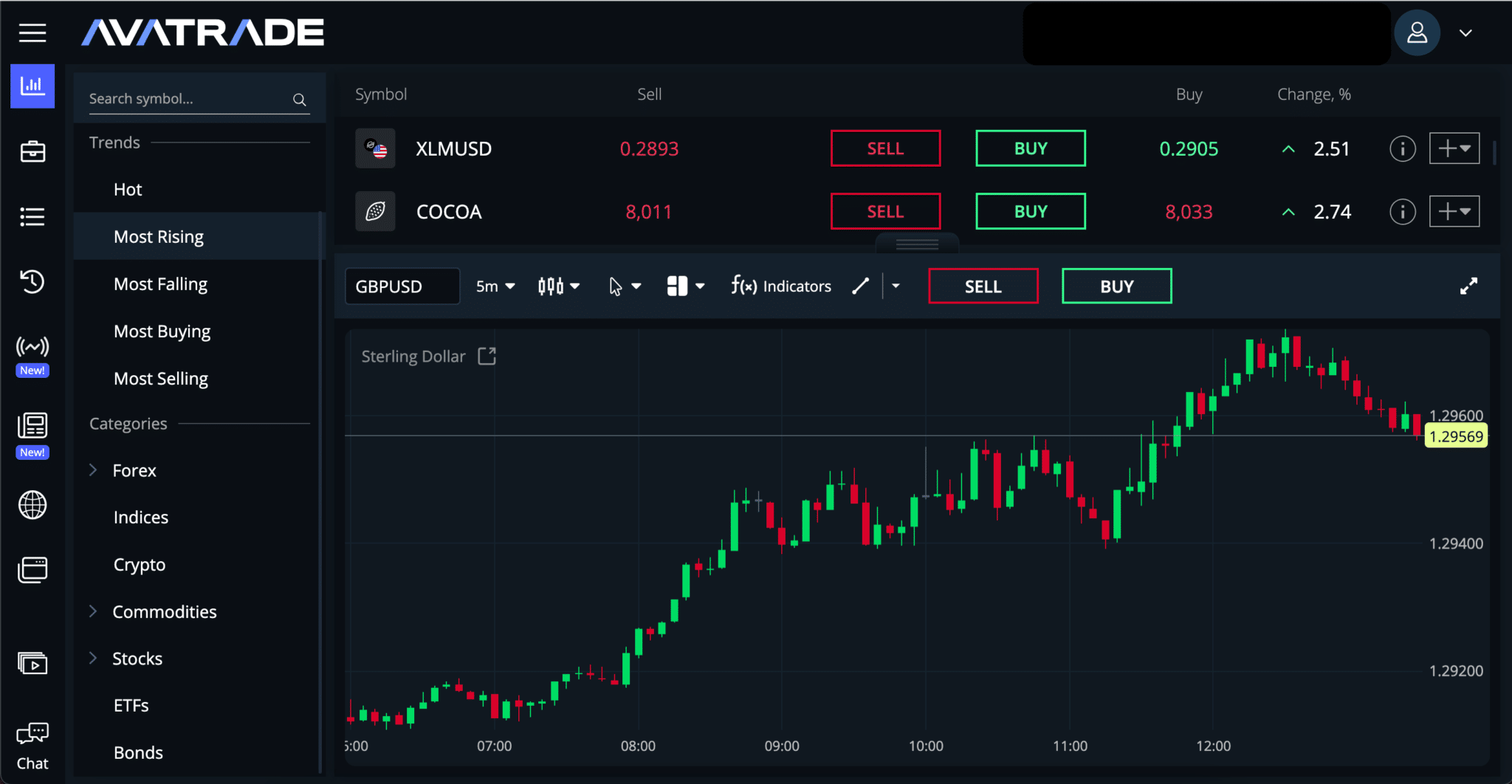
Investing involves risks, including the potential loss of principal. Over time, that process can help reduce emotional decision-making. A younger investor with decades until retirement may hold more stocks because they have time to recover from market downturns. New investors often assume that investing in stocks means picking individual stocks.
Once you’ve set up and funded your investment account, it’s time to dive into the business of picking stocks. No matter which broker you choose, the process of opening an account is fairly similar — it takes about 15 minutes and requires some personal information. You’ll want to evaluate brokers based on factors such as costs (investment selection), investor research, tools and access to customer service. Others (like Robinhood), are known for their easy-to-use platforms and apps.
With prior experience working at a bank for several years — Jane began creating content about 5 years ago to fill the gap in financial education for the Gen Z generation. Some require minimum amounts for purchases or account levels. Some companies limit direct stock plans to employees of the company or existing shareholders. This saves on commissions (but you may have to pay other fees to the plan), including if you transfer shares to a broker to sell them.