
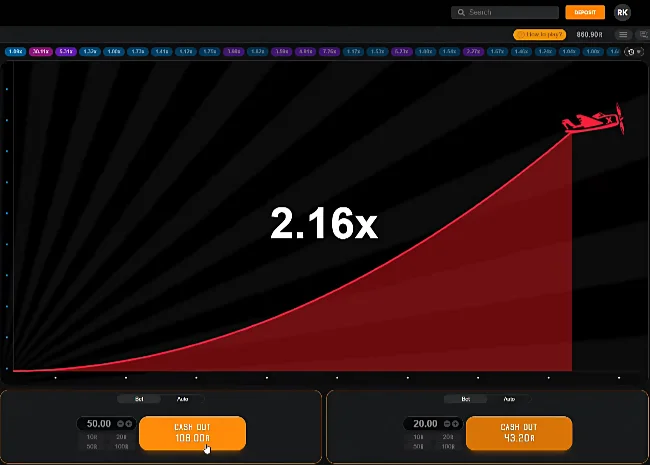
The Aviator game has created a space in UK gaming culture, and with it, a curious layer of personal habit has grown https://playtocasino.com/games/aviator-game-demo/. Before the virtual plane takes off, many players engage in small, private rituals. These vary from muttered words to precise physical actions. This isn’t an effort to hack the game’s code, but a way to control one’s own headspace. It’s a intriguing blend of modern digital play and ancient human instinct, a look at the tiny ceremonies we construct for ourselves.
Exploring the Mystique Behind Gaming Rituals
In situations where uncertainty prevails, superstition often arises. This is true for dice in a board game, a card drawn from a deck, or a digital plane shooting upwards. Rituals offer a sliver of perceived control, a personal charm against the whims of chance. For players here, these acts are not foolish. They’re a essential part of establishing a session, creating a frame of familiar comfort around the unpredictable event.
Viewed psychologically, these behaviours make perfect sense. Performing a set routine indicates to the brain that it’s time to switch gears. It’s a call to focus and engage. That mental shift can sharpen reflexes and streamline decision-making. In a game like Aviator, where timing is everything, that focused state is a true asset for selecting the moment to cash out.
Developing Your Own Mindful Pre-Game Practice
Establishing a personal ritual is straightforward. Start by asking what makes you feel concentrated and calm. Is it a few seconds of quiet breathing? Picturing a successful outcome? A physical gesture like cracking your knuckles? The action should be basic, repeatable, and carry some personal meaning.

Regularity turns it into a tool. Perform your practice before every session to forge a strong mental link. Over time, it will automatically usher you into a focused state. Remember, the goal isn’t to bend the game’s outcome. It’s to improve your own mindset for better engagement, more enjoyment, and responsible play.
The Psychological Benefit of a Individual Habit
Establishing a pre-game routine offers clear psychological upsides. It reduces anxiety by providing a predictable structure before an unpredictable event. This can slow a racing heart, clear a busy mind, and result in calmer, more calculated moves in the game. The ritual acts as a lever for emotional management.
This self-made ceremony also heightens the sense of ceremony. It converts a simple game round into something more special. It builds a personal tradition, making the experience distinctly your own. The confidence obtained from this preparation can be as valuable as any strategy in a timing-based game like Aviator.
In what manner Rituals Shape Perceived Skill and Control
Rituals profoundly modify our perception of control. By performing a set of actions, we feel we’ve diligently readied for success. A well-timed cash-out after a ritual feels like a clear reward for that readiness. This bolsters the behaviour and strengthens the player’s faith in their own sway.
That perceived control is key to satisfaction. It creates a link between pure chance and a feeling of agency. The game’s algorithm is random, true. But the ritual positions the player’s move—the cash-out—as the skilled peak of a prepared process. It seems less like a guess and more like a outcome.
Standard Pre-Game Prayers and Affirmations
Formal prayer is a personal matter. For many, the words used are more concise, more like targeted affirmations. They’re less about doctrine and more about directing attention. A frequent internal mantra might be along the lines of, “Steady now, watch close.” Reciting this focuses the mind, pushing daily clutter aside to make room for the game.
Some players take from old sayings; others invent their own lines. Uniformity is what is key. Using the same phrase each time establishes a conditioned response. This verbal ritual forms a line between the ordinary world and the concentrated space of the game. It enables for deeper immersion.
Bodily Rituals and Actions Before Play
Gestures are as telling as words. The ritual may consist of three intentional breaths, stretching the fingers, or positioning hands in a specific way on the keyboard or phone. These are embodied anchors. They ground the player in the present moment and somatically prime them for the rapid reactions the game will ask for.
It could include a particular object: a charmed coin placed on the desk, a favourite mug brimming with tea. The act of arranging these items establishes the atmosphere. These small rituals are deeply individual, yet their purpose is widely understood. It’s the process of ‘finding the groove’, a crucial step before the plane begins its climb.
The Importance of Scheduling and Environment
The ritual often dictates not just how, but when and where. A player could only play at a particular hour they view as fortunate, pitchbook.com or from a specific chair. Regulating these outside factors lessens one kind of uncertainty. It establishes a cocoon of familiarity. Inside that bubble, the player feels more equipped to handle the inherent unpredictability of the game itself.
The Cultural Roots of Luck in British Society
Luck is embedded into the fabric of British life. We touch wood, we steer clear of ladders, we recite rhymes about magpies. This ingrained custom of pursuing good fortune naturally spills into new forms of entertainment. The small routines players execute before annualreports.com Aviator are just the newest installment in a very old story. They are modern endeavours to coax a favourable outcome, using digital means.
History is filled with these endeavours, from sailors’ traditions to the charms held by athletes. The digital age didn’t eliminate this instinct. It simply provided it a new stage. The Aviator game, with its intense, escalating flight path, delivers a perfect modern vessel for these age-old hopes and habits.
From Athletic Superstitions to Digital Rituals
Watch any football match and you’ll see it: a player ties his laces a specific way, or touches the turf before running on. This sporting mindset has transitioned directly into gaming. The ritual a player carries out before hitting ‘play’ on Aviator fulfils the same purpose as a cricketer’s lucky box. It fosters a sense of confidence. It cultivates a prepared, positive state of mind for the task ahead.
Respecting Tradition Whilst Welcoming Modern Gaming
These prayer rituals show a stunning blend of old and new. They show that digital entertainment isn’t in a cultural void. It is shaped by our deep-rooted human habits. To value these personal traditions is to appreciate the full depth of gaming, which is as much about the player’s internal state as the graphics on screen.
Embracing this doesn’t demand a belief in magic. It just appreciates the value of a mindful practice. Regardless of someone whispers a phrase or adjusts their seat, these acts are a form of self-respect. They affirm that one’s leisure time and mental focus merit a moment of deliberate preparation.
Common Questions
Are these rituals exclusive to the Aviator game?
They aren’t limited to Aviator. Rituals are used in many types of chance-based activities. But Aviator’s specific tension—the waiting, the timing of the cash-out—makes these mental preparations feel particularly relevant. The game’s design encourages players to get ready for that one critical decision.
Must I be religious to gain from a pre-game ritual?
Not at all. Some may use prayer, but many rituals are entirely secular. These are mantras or actions directed only at mental state. The core benefit lives in psychology: building focus, lowering anxiety, creating a sense of control. It’s a tool for preparation, not a matter of faith.
Can a ritual actually improve my chances of winning?
No ritual can touch the game’s random number generator. Its power operates on you, not the software. By soothing your nerves and honing your concentration, you could make more disciplined, well-timed choices. The ritual betters the player’s mindset. The algorithm remains random and fair.
How long should a pre-game ritual take?
Keep it short. Between five and thirty seconds is enough. The aim is a quick mental transition, not a long ceremony. It should be a consistent trigger that helps you enter a focused state without holding up the game or becoming a distraction in itself.
What if my ritual starts to seem like superstition?
If it generates worry, or you believe you must perform it to avert ‘bad luck,’ pull back. A healthy ritual aids focus. An unhealthy one becomes a compulsion. Simplify your practice, or take a break. Remind yourself it is a mindful practice, not a magical necessity.
Where can I try these rituals before playing with real money?
The ideal spot is the Aviator demo mode. It provides identical gameplay without any financial risk. You can peacefully create and improve your pre-game practice there. This cultivates a robust, constructive habit long before actual money comes into play.
The pre-game rituals of UK players in Aviator reflect a core human need. We look for focus and preparedness. These practices, drawn from psychology and culture, offer a path to mentally engage with chance. They can convert a brief game into a more mindful and individually important experience. They serve as a reminder that the way we decide to engage with the game is as significant as the game we play.